

A New Class of Hydrogen
Geological Hydrogen.
Made where it’s needed.
Developing a proprietary pathway to hydrogen production beyond conventional electrolysis and fossil-based processes.
Hydrogen Needs Another Path
Hydrogen is already essential to global industry, from fertilizers and chemicals to refining and energy.
Yet most hydrogen today depends on fossil fuels, while emerging low-carbon alternatives face challenges related to electricity demand, cost, infrastructure and scalability.
Building the next hydrogen economy will require new production pathways.
Mayman One Energy is developing a new geological hydrogen production pathway designed to overcome some of these constraints.
What We Are Building
A proprietary hydrogen production platform designed around economics, scale and deployment.

Competitive Economics
Designed from the outset around the economics of industrial hydrogen production.

Scalable Production
Developed with a pathway toward commercially relevant production volumes.

Deployment Flexibility
Designed to support applications across different scales and operating environments.
Where Our Technology Changes The Equation
From industrial production to distributed and strategic applications, our technology is being developed for environments where hydrogen economics, reliability and deployment flexibility are critical.

Industry & Materials
Fertilizers · Chemicals · Refining · Green Steel

Sustainable Fuels
SAF · Synthetic Fuels · Low-Carbon Fuels
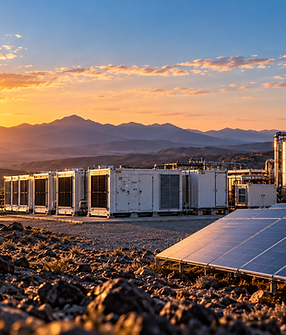
Power & Remote Energy
Data Centers · Distributed Power · Remote Operations

Defense & Space
Defense · Mission-Critical Systems · Space
Natural Hydrogen Intelligence
Alongside our core technology development program, Mayman One Energy applies advanced analytical capabilities to the assessment of naturally occurring hydrogen opportunities.
Our approach combines geospatial intelligence, remote sensing, data analysis and structured evaluation to support regional screening and target prioritization.
Mayman One Energy is advancing this next chapter.